Iran-US Talks Collapse in Islamabad: 5 Key Reasons Why a Historic Agreement Failed
Iran-US Talks Collapse in Islamabad: 5 Key Reasons Why a Historic Agreement Failed
Iran-US Talks Collapse in Islamabad: Iran-US peace talks in Islamabad ended without a deal after 21 hours. Discover the 5 major reasons behind the collapse, including nuclear tensions, mistrust, and geopolitical conflicts.
Iran-US Talks Collapse in Islamabad: What Went Wrong?
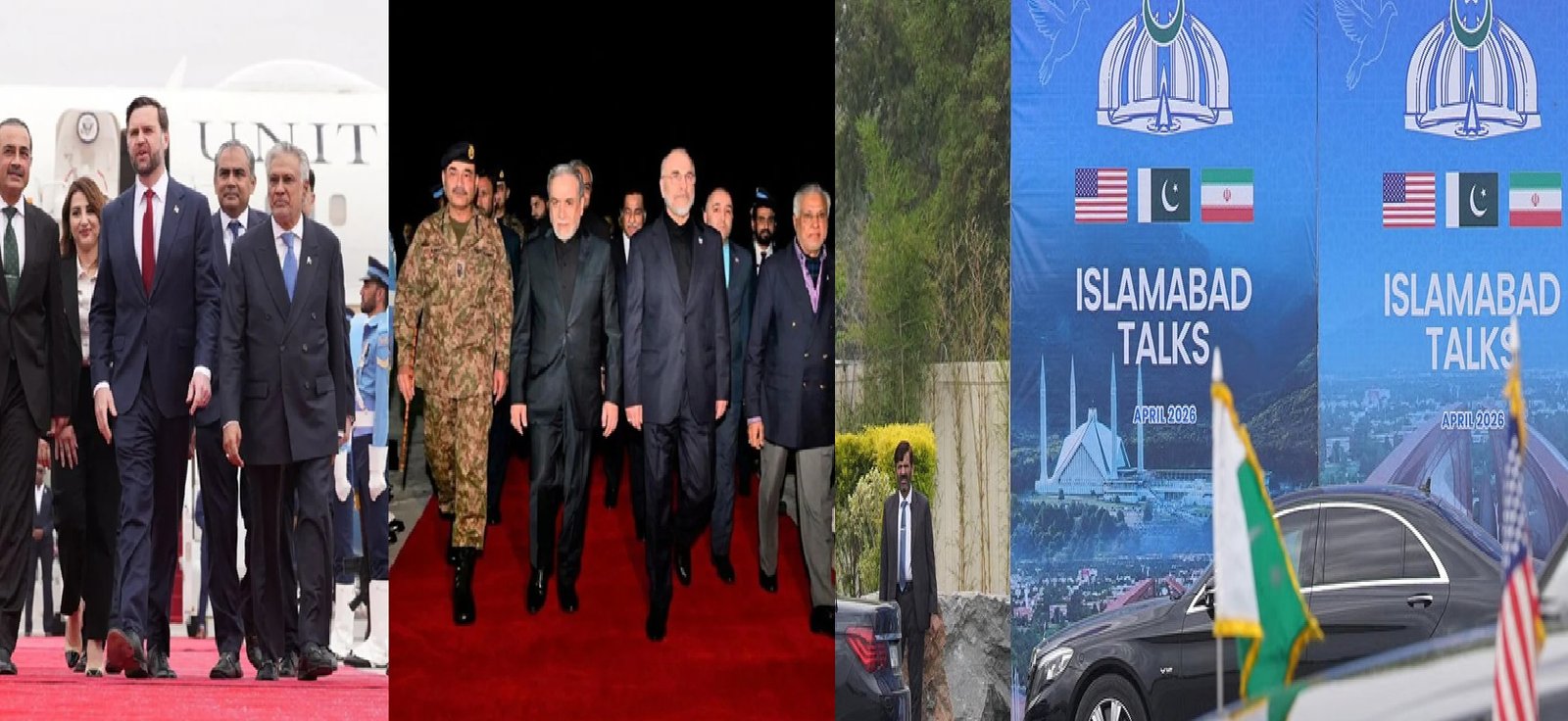
Amit Kaul – For Digital Desk, Bengaluru: April 12, 2026 – In a development that has sent ripples across global diplomatic circles, high-stakes peace talks between Iran and the United States concluded without any agreement after an intense 21-hour negotiation marathon in Islamabad. The meeting was seen as one of the most significant diplomatic engagements between the two nations in decades, raising hopes for de-escalation in the volatile Middle East region.
However, despite prolonged discussions and international attention, both sides failed to find common ground. While officials from both nations have indicated that dialogue may continue, the breakdown highlights deep-rooted divisions that remain unresolved.
So, what exactly caused the collapse of these crucial talks? Here are the five key reasons that derailed the negotiations.
https://aamnewsnetwork.com/iran-conflict-global-impact-oil-food-crisis/
1. Deep Divide Over Nuclear Ambitions
At the heart of the conflict lies Iran’s nuclear program—a long-standing issue that has strained relations for years. The United States pushed for strict limitations on uranium enrichment and demanded verifiable assurances that Iran would not develop nuclear weapons capability.
However, Iran firmly rejected these conditions, arguing that such restrictions violate its sovereignty and its right to peaceful nuclear development. This fundamental disagreement once again proved to be a deal-breaker, echoing past failures in nuclear negotiations.
2. Dispute Over Frozen Financial Assets
Another major sticking point was Iran’s demand for the release of its seized financial assets abroad, including funds in countries such as Qatar. Tehran insisted that any agreement must include the return of these assets as a sign of goodwill.
The United States, however, refused to commit to this demand, citing legal and strategic concerns. This disagreement exposed a clear gap in expectations regarding economic concessions, further complicating the negotiations.
3. Rising Tensions Over the Strait of Hormuz
The strategically critical Strait of Hormuz emerged as another flashpoint during the talks. Iran demanded increased control over the waterway, including the authority to impose transit fees on passing vessels.
In contrast, the United States emphasized the importance of maintaining free and uninterrupted global shipping routes, given that a significant portion of the world’s oil supply passes through the strait. This clash of strategic priorities added another layer of complexity to the already fragile discussions.
4. Iran’s Expansive Demands
While the United States sought to keep the negotiations focused on nuclear issues and maritime security, Iran significantly broadened the scope. Tehran called for compensation for war-related damages and pushed for a comprehensive regional ceasefire, including areas like Lebanon.
This divergence in negotiation agendas created a mismatch in priorities. The US delegation viewed these additional demands as beyond the scope of the talks, leading to further deadlock.
5. Persistent Lack of Trust
Perhaps the most critical factor behind the collapse was the enduring lack of trust between the two nations. Decades of hostility, sanctions, and geopolitical rivalry have created deep skepticism on both sides.
During the Islamabad talks, this mistrust was evident, with both parties accusing each other of rigidity and unwillingness to compromise. Without a foundation of trust, even the most well-intentioned diplomatic efforts struggle to succeed.
https://digitalamitkaul.online/iran-weakened-us-strikes-retains-military-capability-analysis/
What Lies Ahead?
Despite the failure to reach an agreement, both Iran and the United States have signaled openness to future discussions. Analysts suggest that continued diplomatic engagement remains the only viable path forward, especially given the high stakes for regional and global stability.
The collapse of the Islamabad talks underscores a harsh reality: resolving such deeply entrenched conflicts requires not just negotiation, but also mutual trust, flexibility, and a willingness to address core concerns on both sides.
For now, the Middle East—and the world—waits to see whether the next round of talks can succeed where this one failed.
Author Bio:
Amit Kaul is a seasoned journalist and digital content strategist with over a decade of experience covering business, technology, finance, and digital economy trends. Based in Bengaluru, India, he specializes in producing high-quality, data-driven news articles optimized for global audiences and digital platforms. Amit is passionate about financial inclusion, fintech innovations, and economic developments that shape India and the world. His work has been featured on multiple news portals and Google News platforms, providing readers with timely and reliable insights.