
Kashmir Name Origin: Discover the Ancient Meaning and Mystical Story
Kashmir Name Origin: Discover the Ancient Meaning and Mystical Story
Kashmir Name Origin: Explore the real meaning and ancient origin of Kashmir. Discover the rich history, folklore, and stories behind why it’s called ‘Heaven on Earth’.
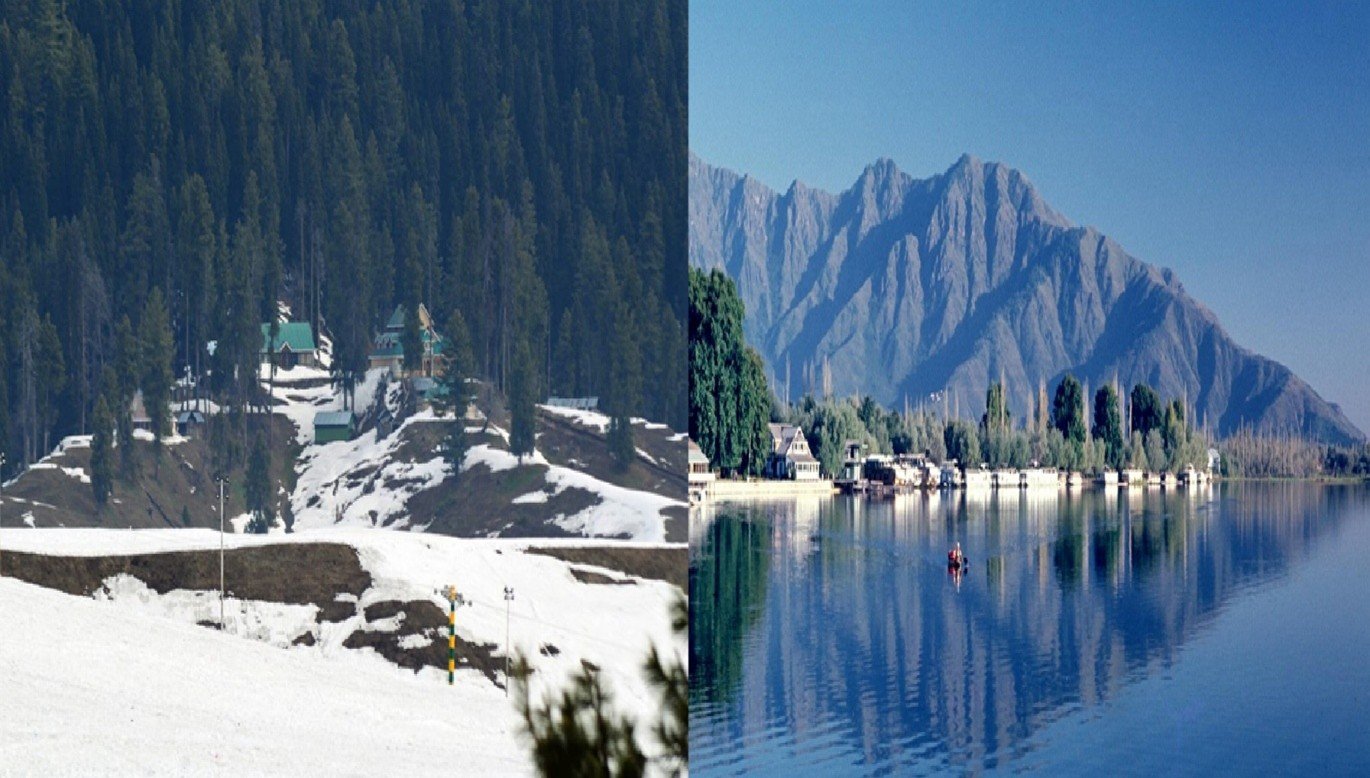
Amit Kaul – For Digital Desk, Bengaluru: August 2, 2026 – Kashmir is not just a piece of land, but a name wrapped in layers of history, folklore, and culture, which brings out countless stories as soon as you delve deep into it. This area, once called ‘Heaven on Earth’, is still known for its beauty, but the origin of its name (Kashmir Name Origin) and history are equally interesting. Let’s find out.
Centuries-old folklore of Kashmir
The word “Kashmir” originated in ancient legend. It is said that this valley came into existence by drying up a huge lake. Yes, thousands of years old folklore says that Kashmir was once a huge lake. No human being lived here; there was only water. Then came Maharishi Kashyap, who cut the hills of Baramulla and took out the water of that lake, which created land suitable for human habitation here. It was called “Heaven on Earth” because it was so beautiful. This land later became “Kashyapamar”, then “Kashmir”, and finally today’s “Kashmir”.
The story of this lake and Kashyap Rishi is also mentioned in the book Rajtarangini by 12th-century historian Kalhan. This was the first time that Kashmir was historically recorded in any Indian text. We should point out that the Planning Development and Monitoring Department of the Government of Jammu and Kashmir also makes reference to this on their website.
Kashmir Name Origin: What is the meaning of the name Kashmir?
“Ka” signifies water, and “Shamira” indicates drying in Sanskrit. According to this, the literal meaning of ‘Kashmir’ is – “dried up water,” I.,e. A region that has emerged from a lake or river
According to another opinion, ‘Kas’ means canal or stream, and ‘Mir’ means mountain. By this interpretation, Kashmir means “land of water flowing between mountains”.
Kashmir in ancient texts and foreign documents
Kashmir has been a centre of attraction for scholars and travellers not only from India but from all over the world. In 550 BC, Greek historian Hecataeus named this region ‘Kaspapyros’.After this, Roman astronomer Ptolemy (150 AD) called it ‘Casperia’, although he exaggerated its boundaries.
Kashmir is also mentioned in Chinese records – it was called ‘Ki-Pin,’ and during the Tang Dynasty, it was called ‘Kia-Shi-Mi-Lo’. Records from the 7th and 8th centuries contain this reference.
https://digitalamitkaul.online/exploring-europes-five-most-beautiful-tourist-destinations/
Kashmir Name Origin: Kashmir seen through the eyes of Alberuni
11th-century Khwarazmi scholar Alberuni, who is also called the first anthropologist of India, has made a special mention of Kashmir in Kitab-ul-Hind. He did an in-depth analysis of the geographical structure as well as language, society, religion, and culture here.
According to him, Kashmir is a mountainous region between Central Asia and the plains of Punjab, extremely rich in both culture and nature.
Identity spread to distant countries
Italian adventurer Marco Polo described Kashmir in the 13th century. He called it ‘Kashimur’ and called the residents here ‘Kashmirians’. It is clear from his writings that the identity of Kashmir had reached faraway countries even at that time.
A very interesting and debatable theory has been presented by Prof. Fida Hasnain. According to him, the roots of the Kashmiri people can be linked to a Jewish community called ‘Kas’ settled near Baghdad. This caste gradually crossed the Hindukush through Afghanistan and reached Kashmir and settled here.
According to this theory, this caste first settled in a settlement named ‘Kashmor’ and then ‘Kashtwar’, and finally ‘Kashmir’ was formed. Although this theory is not widely accepted yet, it shows another aspect of the diverse identity of Kashmir.
https://aamnewsnetwork.com/dubais-only-10-star-hotel-burj-al-arabs-luxury-sky-high-rent/
Kashmir Name Origin: Role of Raja Jambulochan
Many locals believe that Kashmir was named after Raja Jambulochan, who ruled the region in the 9th century. The cities and administrative system he established gave Kashmir a cultural framework, and this was probably the time when the region started being called ‘Kashmir’.
Kashmir is not an ordinary name. This word combines elements of geography, history, language, folklore, and culture. Every explanation, whether it is of Rishi Kashyap, foreign travellers or the Jewish link, adds more depth to the identity of Kashmir.
The valleys here are as beautiful as its story is mysterious, and perhaps that is why Kashmir is not just a place, it is a feeling, which requires both heart and mind to understand.
Author Bio:
Amit Kaul is a seasoned journalist and digital content strategist with over a decade of experience covering business, technology, finance, and digital economy trends. Based in Bengaluru, India, he specializes in producing high-quality, data-driven news articles optimized for global audiences and digital platforms. Amit is passionate about financial inclusion, fintech innovations, and economic developments that shape India and the world. His work has been featured on multiple news portals and Google News platforms, providing readers with timely and reliable insights.



Pingback: Exploring Five Must-Visit Places in Kashmir
Pingback: Top 3 Destinations in India: Taj Mahal, Jaipur & Varanasi
Pingback: Planning a September Trip? 5 Stunning South Indian Destinations You Can’t Miss - DNN